


Reduce the energy costs of your HVAC system – with the right air filter
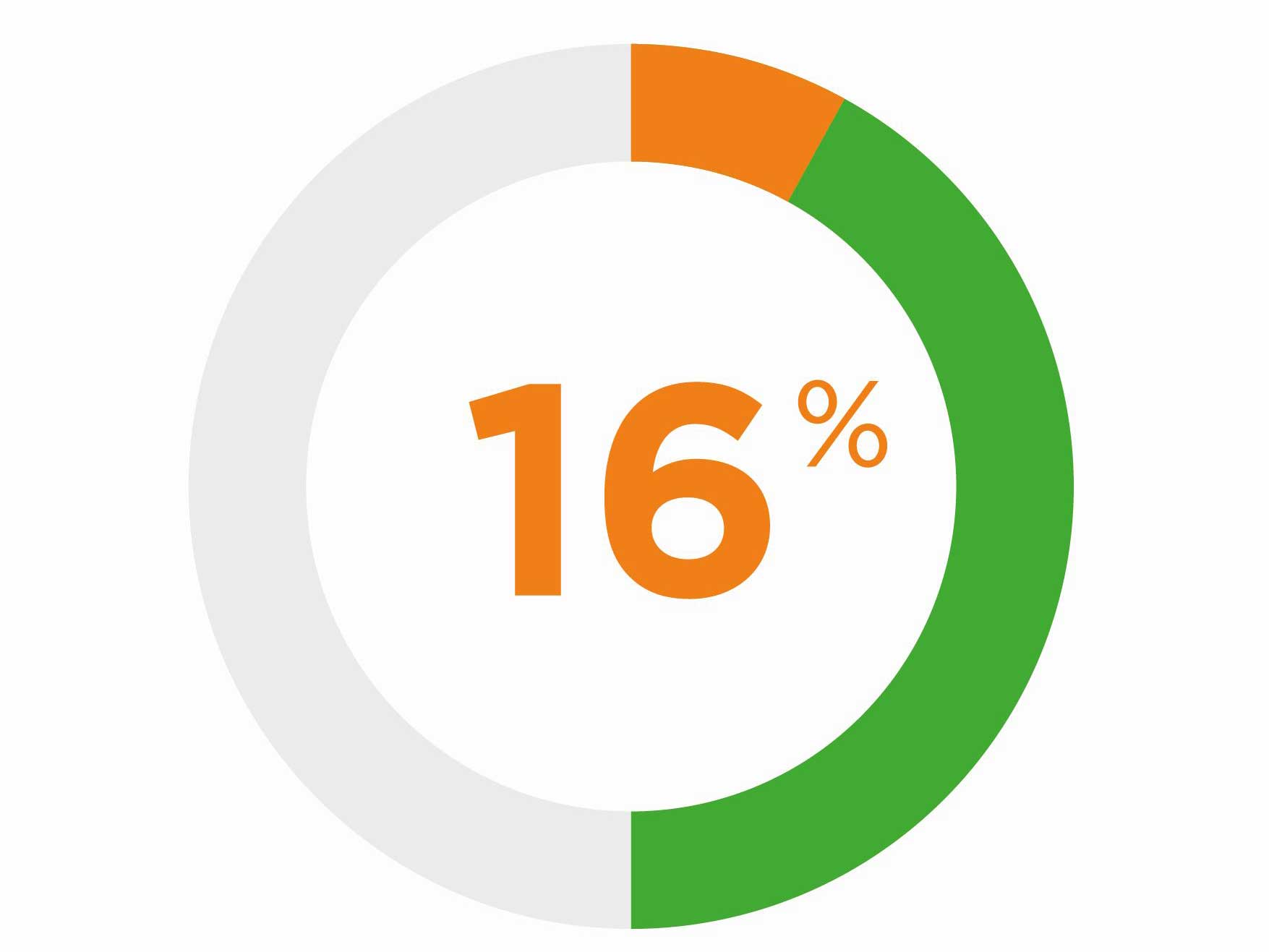
On average, 50% of a building's total energy consumption is attributable to heating, cooling, and ventilation. Of that, air filters in the ventilation system account for around 16% of the entire electricity bill. Air filters vary considerably in their energy consumption — representing a straightforward optimisation opportunity:
- Some filters consume up to 3× more energy than others for the same task
- Switching to energy-saving filters measurably reduces operating costs
- The measure is quick and easy to implement
- In most cases, no retrofitting or interruption to operations is required
One of the most effective levers in building operations – with minimal effort required.
How and why an air filter consumes energy
An air filter has no battery and no direct power connection – and yet it can be one of the largest energy consumers in your HVAC system. The reason lies in pressure drop.
Every filter creates resistance against the airflow. This resistance forces the fan to work harder in order to maintain the same volume flow rate. The higher the pressure drop, the harder the fan works – and the greater the energy consumption of the entire HVAC system. The reverse is equally true: reducing pressure drop directly takes the load off the fan. A reduction of just one pascal cuts consumption by around 11 kWh – equivalent to an annual saving of €2–3 per filter, depending on local energy prices.
Looking to reduce the lifecycle costs of your air filters, extend their service life, or lower your carbon footprint? We're here to help.

More than the price of an air filter: The true cost over the entire service life
The purchase price of an air filter accounts for only around 10% of its total lifecycle costs – energy consumption in operation is responsible for roughly 80%.
Anyone who overlooks this when selecting a filter ends up paying the difference quietly through their energy bill.
For a full breakdown of how purchase price, energy costs, maintenance, and disposal add up over the entire service life – and how to determine the most cost-effective filter configuration for your system – see our page on energy-efficient air filters.
Which filter class does my HVAC system actually need?
A typical HVAC system designed to VDI 6022 standards includes at least two filtration stages: a pre-filter and a main filter. For each stage, selecting the correct class to ISO 16890 is essential – and not solely on the basis of filtration efficiency, but energy consumption as well. Eurovent 4/21 makes this comparison transparent: the system rates air filters on a scale from A+ (highest efficiency) to E (lowest efficiency), based on independently verified performance data. An A+-rated filter consumes up to 40% less energy in operation than a C-rated filter of the same filter class.
Read more


When to change your air filter and why timing makes all the difference

As an air filter loads up with dust, its pressure drop increases – and with it, the energy consumption of the system. The intention to extend filter service life in order to save on maintenance costs is understandable. However, it can drive up energy costs far more significantly than the savings made by delaying replacement.
Filters should be changed before pressure drop rises too steeply. The optimal timing is determined by the actual loading state of the filter – not by a fixed calendar schedule alone. Smart filter monitoring systems measure differential pressure in real time, enabling cost-optimised operation: filter service life is used to its full extent, without wasting energy.
Solutions from MANN+HUMMEL for greater operational sustainability
MANN+HUMMEL Air Filtration offers the largest portfolio of A+-rated air filters on the market. One important point: energy class must always be read in relation to the ISO 16890 filter class. An ePM2.5 filter with 55% filtration efficiency rated B consumes less energy than an ePM2.5 filter with 90% efficiency rated A+. An over-specified filter – one with a higher filter class than the system actually requires – wastes energy without delivering any additional air quality benefit.
For HVAC systems in office and commercial buildings, we recommend the following as a starting point:
- Pre-filtration stage (F5–F7 / ePM10): Panel filters or pleated filters, Class A+
- Main filtration stage (F7–F9 / ePM1, ePM2.5): Pocket or compact filters, Class A+
We are one of the leading companies offering A+-rated air filters across all filter classes and filtration stages – from pre-filtration through to high-performance HEPA filters. This gives planners and operators the ability to optimise the energy efficiency of their HVAC system across the entire filter cascade.
Our product range includes A+- and A-rated filters in the following configurations:
- Panel filters and pleated filters (pre-filtration stage)
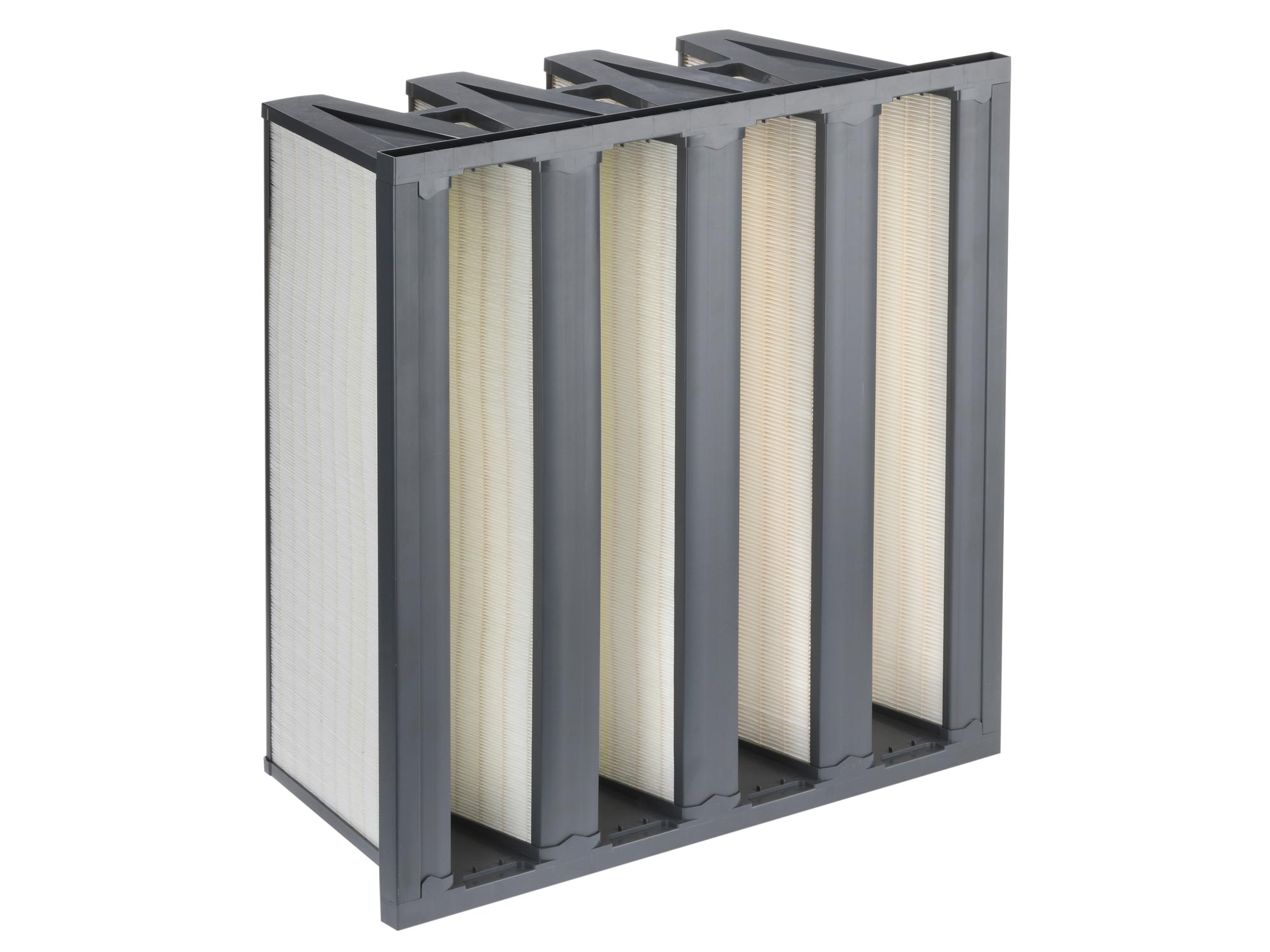
- Pocket filters (main filtration)
- Compact filters
- HEPA filters to DIN ISO 29463 and EN 1822


Air filters from MANN+HUMMEL: Added value for Facility Managers

For facility managers, reducing energy consumption by switching to MANN+HUMMEL air filters isn't just a benefit to pass on to the end client – it's a central tool for lowering total cost of ownership, meeting contractually agreed energy savings targets, and fulfilling CSR obligations.
Energy-efficient air filters offer a measurable, documentable contribution: they deliver lower operating costs, an improved carbon footprint for the building, and objectively comparable metrics based on Eurovent classification – a solid foundation for tenders and performance reporting to building owners.
We're here for you – whether you have questions about our products or are looking for tailored advice. Together, we'll find the right solution for your HVAC system.
Contact us
At MANN+HUMMEL, we’re here to support your air filtration needs! Whether you have questions about our products or need tailored solutions, our expert team is ready to assist you. Reach out to us via email, telephone or contact form to discuss your requirements, and let’s work together to enhance your air quality. Contact us today and experience exceptional service tailored to your business!